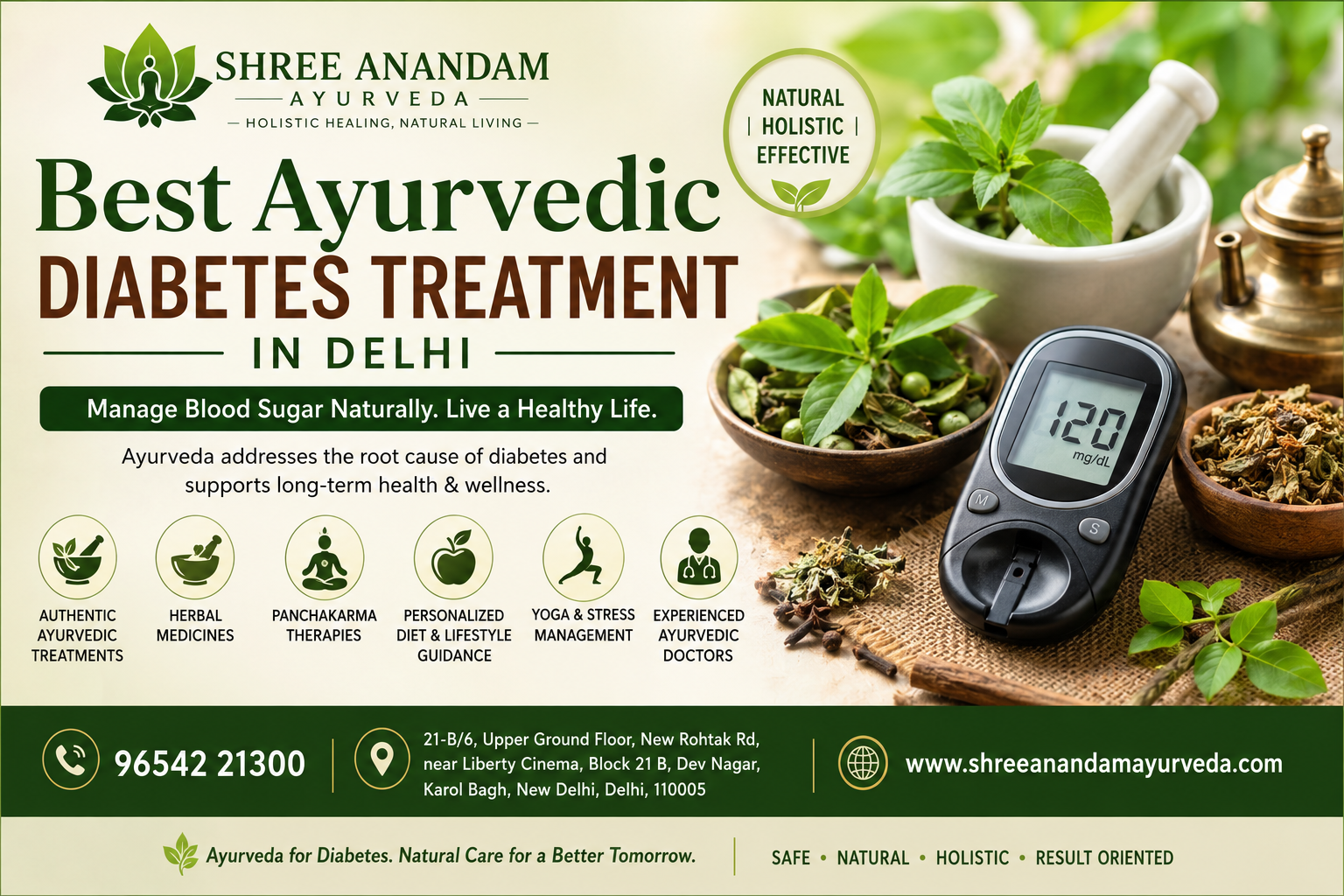
Shree Anandam Ayurveda is a trusted Ayurvedic clinic in Delhi offering personalized diabetes management based on classical Ayurvedic principles. Treatment plans may include detailed consultations, herbal medicines, Panchakarma therapies (when appropriate), dietary guidance, yoga, lifestyle modifications, and stress management. Rather than focusing only on blood sugar levels, Ayurveda aims to support metabolic health, digestion, immunity, and overall well-being. Patients are encouraged to continue regular monitoring and follow the advice of their treating physician alongside Ayurvedic care.
Diabetes has become one of the fastest-growing lifestyle diseases in India, affecting millions of people across all age groups. Sedentary lifestyles, unhealthy eating habits, chronic stress, obesity, poor sleep, and genetic factors have contributed significantly to the increasing number of diabetes cases. According to health experts, India is often referred to as the “Diabetes Capital of the World,” making early diagnosis and effective management more important than ever.
While conventional medicine primarily focuses on regulating blood sugar levels through medications and insulin therapy, Ayurveda offers a holistic approach that aims to address the root cause of metabolic imbalance. Instead of merely controlling symptoms, Ayurveda emphasizes improving digestion (Agni), balancing the body’s Doshas (Vata, Pitta, and Kapha), detoxifying the body, enhancing metabolism, and supporting overall wellness.
If you are searching for the best Ayurvedic treatment in Delhi for diabetes, Shree Anandam Ayurveda provides personalized treatment plans based on classical Ayurvedic principles. Our experienced Ayurvedic doctors combine authentic herbal medicines, Panchakarma therapies, dietary guidance, and lifestyle modifications to help patients manage diabetes naturally while improving their overall quality of life.
Whether you have been recently diagnosed with diabetes, are experiencing prediabetes, or have been living with the condition for years, Ayurveda can play an important supportive role in your long-term health management under professional medical supervision.
Understanding Diabetes (Madhumeha) in Ayurveda
In Ayurveda, diabetes is commonly known as Madhumeha, one of the twenty types of Prameha described in ancient Ayurvedic texts such as the Charaka Samhita and Sushruta Samhita. The term “Madhumeha” literally means “sweet urine,” referring to the excessive excretion of sugar through urine.
Ayurveda views diabetes not merely as a disorder of blood sugar but as a systemic metabolic condition resulting from an imbalance in the body’s Doshas, weakened digestive fire (Agni), impaired tissue metabolism (Dhatu Agni), and accumulation of toxins (Ama).
Unlike a one-size-fits-all approach, Ayurveda recognizes that every individual’s condition is unique. Treatment is therefore personalized according to:
- Body constitution (Prakriti)
- Dosha imbalance
- Age
- Lifestyle
- Severity of diabetes
- Existing complications
- Digestive strength
- Overall health condition
This individualized approach is one of the reasons why many people seek Ayurvedic treatment in Delhi as a complementary strategy for managing diabetes alongside their healthcare provider’s advice.
What Happens in Diabetes?
Diabetes is a chronic condition in which the body either:
- Does not produce enough insulin,
- Does not use insulin effectively, or
- Experiences both problems simultaneously.
Insulin is a hormone produced by the pancreas that helps glucose enter cells to provide energy. When insulin production or function is impaired, glucose remains in the bloodstream, leading to elevated blood sugar levels.
Persistently high blood sugar can affect multiple organs over time, increasing the risk of:
- Heart disease
- Stroke
- Kidney disease
- Eye disorders
- Nerve damage
- Poor wound healing
- Foot complications
Early diagnosis and appropriate management are essential to reduce the risk of long-term complications.
Types of Diabetes
Understanding the type of diabetes is crucial for selecting the most appropriate treatment strategy.
Type 1 Diabetes
Type 1 diabetes is an autoimmune condition in which the body’s immune system attacks insulin-producing beta cells in the pancreas.
Characteristics include:
- Usually diagnosed in children or young adults
- Little or no insulin production
- Requires lifelong insulin therapy
- Not preventable with current medical knowledge
While Ayurveda does not replace insulin therapy, supportive Ayurvedic care may help improve overall health, digestion, stress management, and quality of life. Patients should always continue prescribed medical treatment and consult their endocrinologist before making any changes.
Type 2 Diabetes
Type 2 diabetes is the most common form of diabetes worldwide.
It occurs when:
- The body becomes resistant to insulin, or
- The pancreas cannot produce sufficient insulin.
Common risk factors include:
- Obesity
- Sedentary lifestyle
- Poor eating habits
- Family history
- Stress
- Increasing age
- High blood pressure
Ayurveda focuses on correcting lifestyle and metabolic imbalances that contribute to Type 2 diabetes. Personalized dietary advice, exercise, herbal formulations, and Panchakarma therapies may support better metabolic health when integrated with standard medical care.
Gestational Diabetes
Gestational diabetes develops during pregnancy and requires careful monitoring by an obstetrician. Blood sugar levels often return to normal after childbirth, but women who experience gestational diabetes have a higher risk of developing Type 2 diabetes later in life.
Ayurvedic dietary guidance and lifestyle recommendations may be considered only under the supervision of qualified healthcare professionals and should never replace obstetric care.
Prediabetes
Prediabetes occurs when blood sugar levels are higher than normal but not high enough for a diagnosis of diabetes.
Without intervention, prediabetes may progress to Type 2 diabetes.
Lifestyle modifications, weight management, regular physical activity, and healthy eating are strongly recommended. Ayurveda may support these preventive measures through individualized guidance.
Causes of Diabetes
Diabetes develops due to multiple interacting factors rather than a single cause.
Common contributing factors include:
Unhealthy Diet
Frequent consumption of:
- Sugary beverages
- Refined carbohydrates
- Processed foods
- Excessive sweets
- Fast food
can contribute to weight gain and metabolic dysfunction.
Physical Inactivity
Lack of regular exercise reduces insulin sensitivity and increases the risk of obesity.
Obesity
Excess body fat, particularly around the abdomen, is associated with an increased risk of insulin resistance.
Family History
Individuals with a family history of diabetes may have a higher genetic predisposition.
Chronic Stress
Long-term stress can influence hormonal balance, appetite, and blood sugar regulation.
Poor Sleep
Insufficient or poor-quality sleep has been linked to metabolic disturbances and increased diabetes risk.
Hormonal Disorders
Certain hormonal conditions can affect insulin production or action.
Advancing Age
The likelihood of developing Type 2 diabetes generally increases with age, although it can occur in younger individuals as well.
Causes of Madhumeha According to Ayurveda
Ayurveda identifies several lifestyle and dietary habits that may contribute to the development of Madhumeha:
- Excessive intake of sweet foods
- Heavy, oily, and fried meals
- Sedentary lifestyle
- Daytime sleeping
- Lack of exercise
- Excessive stress
- Weak digestive fire (Mandagni)
- Accumulation of toxins (Ama)
- Kapha aggravation
- Impaired metabolism
By correcting these underlying imbalances, Ayurveda aims to support long-term metabolic health.
Common Symptoms of Diabetes
Many people remain unaware that they have diabetes because symptoms may develop gradually.
Common warning signs include:
- Frequent urination
- Excessive thirst
- Increased hunger
- Fatigue
- Blurred vision
- Slow wound healing
- Frequent infections
- Dry skin
- Tingling or numbness in hands and feet
- Unexplained weight loss (more common in Type 1 diabetes)
If you experience these symptoms, consult a qualified healthcare professional for proper evaluation and testing.
Why Diabetes Is Increasing in India
India has witnessed a significant rise in diabetes cases over the past few decades due to changing lifestyles and urbanization.
Major contributing factors include:
Urban Lifestyle
Desk jobs and reduced physical activity have become increasingly common.
Processed Food Consumption
Convenient, calorie-dense processed foods are widely consumed, often replacing traditional balanced diets.
Increasing Obesity
Higher rates of overweight and obesity contribute to insulin resistance.
Mental Stress
Work pressure, financial concerns, and other stressors can affect overall health and metabolic function.
Poor Dietary Habits
Irregular meal timings, excessive sugar intake, and low fiber consumption are common.
Reduced Physical Activity
Many people spend long hours sitting, with limited daily exercise.
These trends highlight the importance of preventive healthcare, including balanced nutrition, regular activity, and timely medical check-ups.
Why Choose Ayurvedic Treatment in Delhi for Diabetes?
Delhi is home to many experienced Ayurvedic practitioners and wellness centers. Choosing a reputed Ayurvedic clinic in Delhi allows patients to access individualized care rooted in traditional knowledge while benefiting from modern diagnostic support.
Potential benefits of a comprehensive Ayurvedic approach include:
- Personalized treatment plans
- Focus on overall wellness
- Dietary and lifestyle counseling
- Stress management techniques
- Supportive herbal therapies
- Panchakarma procedures where appropriate
- Guidance for long-term health maintenance
It is important to remember that Ayurvedic treatment should be undertaken under the supervision of qualified practitioners and should complement—not replace—necessary conventional medical care, especially for patients requiring medications or insulin.
Why Choose Shree Anandam Ayurveda?
When searching for the best Ayurvedic treatment in Delhi, choosing a trusted clinic with experienced doctors and authentic therapies is essential.
At Shree Anandam Ayurveda, we believe that effective diabetes management goes beyond reducing blood sugar numbers. Our goal is to support your overall health, improve digestion, encourage healthy lifestyle habits, and help you achieve sustainable wellness.
Our Approach Includes:
- Detailed Ayurvedic consultation
- Individualized assessment of Prakriti and Dosha imbalance
- Personalized treatment protocols
- Authentic Ayurvedic herbal formulations
- Dietary and lifestyle recommendations
- Panchakarma therapies, when clinically appropriate
- Ongoing monitoring and patient education
Our experienced team strives to provide compassionate, evidence-informed Ayurvedic care while encouraging patients to maintain regular follow-up with their primary healthcare providers.
Ayurvedic Approach to Diabetes Management
Unlike conventional medicine, which primarily focuses on controlling blood glucose levels, Ayurveda views diabetes (Madhumeha) as a systemic metabolic disorder caused by imbalances in the body’s Doshas, weakened digestive fire (Agni), and accumulation of metabolic toxins (Ama).
The objective of Ayurvedic treatment in Delhi is not to promise a cure but to support overall metabolic health, improve digestion, encourage healthy lifestyle habits, and complement ongoing medical care under professional supervision.
At Shree Anandam Ayurveda, every treatment plan is personalized based on:
- Body Constitution (Prakriti)
- Dosha Imbalance
- Stage of Diabetes
- Digestive Health
- Lifestyle
- Age
- Existing Complications
- Medical History
This individualized approach helps create a sustainable wellness plan tailored to each patient.
Comprehensive Ayurvedic Diabetes Treatment at Shree Anandam Ayurveda
Every patient’s health condition is different. Therefore, our diabetes management programs focus on multiple aspects rather than relying on a single therapy.
Step 1: Detailed Ayurvedic Consultation
Treatment begins with a comprehensive consultation where our Ayurvedic doctors evaluate:
- Current blood sugar status
- Medical history
- Existing medications
- Dietary habits
- Physical activity
- Sleep quality
- Stress levels
- Digestive function
- Dosha assessment
This helps determine the most suitable Ayurvedic approach for each individual.
Step 2: Correcting Digestive Fire (Agni)
Ayurveda considers healthy digestion to be the foundation of overall health.
Poor digestion may contribute to:
- Sluggish metabolism
- Weight gain
- Fatigue
- Toxin accumulation
- Poor nutrient absorption
Treatment focuses on improving digestive efficiency through individualized dietary advice, lifestyle recommendations, and appropriate herbal support.
Step 3: Reducing Ama (Metabolic Toxins)
Ama refers to improperly processed metabolic waste that may accumulate due to weak digestion.
Ayurvedic strategies aim to:
- Improve digestion
- Support natural detoxification
- Enhance metabolism
- Promote better tissue nourishment
Step 4: Balancing Doshas
Diabetes often involves an imbalance of Kapha and Vata Doshas, though each individual may present differently.
Treatment plans are designed to restore Dosha balance through:
- Diet
- Lifestyle changes
- Herbal formulations
- Therapeutic procedures
- Daily routines
Panchakarma Therapy for Diabetes
Panchakarma is one of Ayurveda’s most respected detoxification and rejuvenation therapies.
When recommended by an experienced Ayurvedic physician, Panchakarma may support:
- Better digestion
- Improved metabolism
- Enhanced circulation
- Stress reduction
- Weight management
- Overall wellness
Panchakarma should always be customized according to the patient’s health status and is not suitable for everyone.
Important Panchakarma Therapies
Abhyanga (Ayurvedic Oil Massage)
Abhyanga is a full-body massage using medicated herbal oils.
Potential benefits include:
- Improved circulation
- Reduced muscle stiffness
- Stress relief
- Relaxation
- Better sleep quality
Swedana (Herbal Steam Therapy)
Swedana is often performed after Abhyanga.
It helps support:
- Relaxation
- Sweating
- Muscle comfort
- Detoxification processes
Basti Therapy
Basti is regarded in Ayurveda as an important therapy for balancing Vata Dosha.
It may be recommended for selected patients experiencing:
- Digestive disturbances
- Neurological symptoms
- Joint discomfort
- Chronic metabolic imbalance
Udwartana
This herbal powder massage is commonly included in wellness programs focused on:
- Weight management
- Improving circulation
- Skin health
Shirodhara
Shirodhara involves a continuous stream of warm medicated oil poured over the forehead.
It is commonly used for:
- Stress management
- Anxiety reduction
- Better sleep
- Mental relaxation
Since stress can influence diabetes management, relaxation therapies may play a supportive role.
Ayurvedic Herbs Traditionally Used in Diabetes Management
Ayurveda has long described several herbs that are traditionally used to support healthy metabolism. However, herbal remedies should only be taken under the guidance of a qualified Ayurvedic doctor, especially if you are already taking diabetes medications.
Some commonly used herbs include:
Gudmar (Gymnema sylvestre)
Traditionally used in Ayurveda to support healthy glucose metabolism.
Karela (Bitter Gourd)
Often included in Ayurvedic dietary recommendations for metabolic health.
Jamun Seed
Traditionally valued for supporting healthy blood sugar balance.
Amla (Indian Gooseberry)
Rich in antioxidants and vitamin C, Amla supports overall wellness and immunity.
Turmeric
Known for its anti-inflammatory properties and role in supporting metabolic health.
Fenugreek (Methi)
Frequently recommended as part of a healthy diet due to its fiber content.
Neem
Traditionally used in Ayurveda for various health-supporting purposes.
Important: Herbal medicines should not replace prescribed medications unless advised by your treating physician.
Personalized Diet for Diabetes According to Ayurveda
Diet plays a central role in Ayurvedic management.
Instead of promoting restrictive eating, Ayurveda encourages balanced nutrition suited to individual needs.
Foods Commonly Recommended
- Whole grains
- Millets
- Green leafy vegetables
- Bitter vegetables
- Bottle gourd
- Ridge gourd
- Pumpkin
- Lentils
- Sprouts
- Seasonal vegetables
- Moderate fruit intake (as advised)
Foods to Limit
- Refined sugar
- Sweetened beverages
- White bread
- Refined flour
- Deep-fried foods
- Processed snacks
- Excess sweets
- Highly processed packaged foods
Dietary recommendations should be personalized, particularly for individuals with diabetes or other medical conditions.
Daily Lifestyle Habits Recommended in Ayurveda
Lifestyle modifications are a cornerstone of diabetes management.
Wake Up Early
Maintaining a regular sleep schedule supports overall metabolic health.
Eat Meals on Time
Consistent meal timings may help regulate appetite and support healthy digestion.
Stay Active
Aim for regular physical activity appropriate for your age and health condition.
Examples include:
- Brisk walking
- Cycling
- Light jogging
- Yoga
- Stretching
Always consult your doctor before beginning a new exercise routine.
Maintain Healthy Weight
Achieving and maintaining a healthy body weight can improve insulin sensitivity and overall health.
Sleep Well
Adults generally benefit from 7–8 hours of quality sleep each night.
Manage Stress
Stress can influence eating habits, sleep, and blood sugar management.
Ayurveda encourages:
- Meditation
- Deep breathing
- Yoga
- Mindfulness
- Relaxation therapies
Yoga for Diabetes Management
Yoga supports flexibility, stress reduction, and overall well-being.
Commonly recommended practices include:
- Tadasana
- Bhujangasana
- Vajrasana
- Ardha Matsyendrasana
- Pavanamuktasana
- Mandukasana
Practice under the guidance of a qualified instructor, especially if you have medical conditions.
Pranayama Techniques
Breathing exercises may help reduce stress and promote relaxation.
Common techniques include:
- Anulom Vilom
- Bhramari
- Kapalabhati (only if medically appropriate)
- Deep diaphragmatic breathing
Individuals with cardiovascular or respiratory conditions should seek professional advice before performing advanced breathing exercises.
Exercise Recommendations
Regular movement is beneficial for most people.
Suitable options include:
- Walking
- Swimming
- Cycling
- Yoga
- Light strength training
- Stretching
Consistency is more important than intensity.
Healthy Home Practices
Simple habits that may support metabolic health include:
- Staying hydrated
- Eating freshly prepared meals
- Avoiding tobacco
- Limiting alcohol (if applicable)
- Managing stress
- Monitoring blood sugar as advised by your healthcare provider
- Following prescribed medications consistently
Can Ayurveda Help Prevent Diabetes?
For individuals with prediabetes or increased risk factors, healthy lifestyle changes can reduce the likelihood of progression to Type 2 diabetes.
Ayurveda emphasizes prevention through:
- Balanced nutrition
- Regular physical activity
- Weight management
- Stress reduction
- Adequate sleep
- Seasonal routines
- Daily self-care practices
Benefits of Choosing Ayurvedic Treatment in Delhi
Patients often seek Ayurvedic treatment in Delhi because of its holistic philosophy and personalized care.
Potential advantages include:
- Individualized treatment plans
- Focus on lifestyle improvement
- Dietary counseling
- Stress management
- Herbal support under supervision
- Panchakarma therapies where appropriate
- Long-term wellness guidance
- Complementary approach alongside conventional diabetes care
Why Choose Shree Anandam Ayurveda?
At Shree Anandam Ayurveda, we believe that diabetes management should address the whole person—not just blood sugar readings.
Our Diabetes Care Programs Include:
- Comprehensive Ayurvedic consultation
- Personalized treatment plans
- Authentic Ayurvedic herbal formulations
- Panchakarma therapy (when indicated)
- Diet and nutrition counseling
- Lifestyle guidance
- Yoga and wellness recommendations
- Ongoing follow-up and patient education
Our team works with patients to support healthier habits and improved quality of life while encouraging regular monitoring and coordination with their primary healthcare providers.
Diabetes Complications: Why Timely Management Matters
Diabetes is more than high blood sugar. If left unmanaged over time, it can affect multiple organs and systems throughout the body. Maintaining healthy blood sugar levels, following your doctor’s recommendations, adopting a balanced lifestyle, and attending regular health check-ups can help reduce the risk of complications.
Cardiovascular Health
People with diabetes have a higher risk of cardiovascular diseases.
Potential concerns include:
- High blood pressure
- Coronary artery disease
- Heart attack
- Stroke
- Poor circulation
A heart-healthy lifestyle, including regular exercise, a balanced diet, and appropriate medical care, is essential.
Kidney Health
Diabetes is one of the leading causes of chronic kidney disease.
Warning signs may include:
- Swelling in the legs or feet
- Changes in urination
- Fatigue
- Elevated blood pressure
Routine kidney function tests can help detect problems early.
Eye Health
Persistently high blood sugar can affect the eyes over time.
Potential complications include:
- Diabetic retinopathy
- Blurred vision
- Cataracts
- Glaucoma
Regular eye examinations are important for early detection and management.
Nerve Health
Long-term diabetes may damage nerves (diabetic neuropathy).
Symptoms may include:
- Tingling
- Burning sensation
- Numbness
- Pain in feet or hands
- Loss of sensation
Early intervention and proper diabetes management can help lower the risk of progression.
Foot Care
Reduced circulation and nerve damage increase the risk of foot problems.
Daily foot care is important:
- Inspect your feet every day.
- Wear comfortable footwear.
- Keep feet clean and dry.
- Avoid walking barefoot.
- Seek medical attention promptly for cuts or wounds that do not heal.
Can Ayurveda Help in Diabetes Management?
Ayurveda emphasizes holistic health and may support diabetes management through personalized diet, lifestyle changes, stress reduction, and carefully selected herbal therapies. However, it should not be considered a replacement for insulin or prescribed diabetes medications, especially in Type 1 diabetes or when medication is medically necessary.
At Shree Anandam Ayurveda, treatment focuses on supporting:
- Healthy digestion (Agni)
- Balanced metabolism
- Weight management
- Stress reduction
- Improved daily routines
- Overall well-being
Patients are encouraged to continue regular consultations with their diabetologist or physician and monitor blood sugar as advised.
Diabetes Prevention Tips
Whether you have prediabetes, a family history of diabetes, or simply want to reduce your risk, preventive measures can make a significant difference.
Maintain a Healthy Weight
Even modest weight loss may improve insulin sensitivity.
Exercise Regularly
Aim for at least 150 minutes of moderate physical activity per week, or as advised by your healthcare provider.
Eat a Balanced Diet
Choose:
- Whole grains
- Seasonal vegetables
- Lean protein
- Healthy fats
- High-fiber foods
Limit:
- Sugary beverages
- Highly processed foods
- Excess sweets
- Refined carbohydrates
Stay Hydrated
Adequate hydration supports overall health.
Sleep Well
Most adults benefit from 7–8 hours of quality sleep each night.
Manage Stress
Chronic stress can affect eating habits, sleep, and metabolic health. Relaxation techniques, mindfulness, yoga, and enjoyable hobbies can help.
Regular Health Check-ups
Routine monitoring of blood sugar and overall health helps identify problems early and supports timely treatment.
Why Patients Choose Shree Anandam Ayurveda
Patients from Delhi and nearby regions choose Shree Anandam Ayurveda for its personalized, patient-focused approach to Ayurvedic healthcare.
Highlights of Our Care
- Experienced Ayurvedic Doctors
- Individualized Treatment Plans
- Authentic Ayurvedic Medicines
- Panchakarma Therapy (when clinically appropriate)
- Lifestyle & Dietary Guidance
- Holistic Wellness Programs
- Modern Hygiene Standards
- Compassionate Patient Care
- Focus on Long-Term Health
Our goal is to support patients in adopting sustainable lifestyle changes that complement conventional diabetes care.
Diabetes Myths vs Facts
| Myth | Fact |
|---|---|
| Diabetes only affects older adults. | Diabetes can affect people of all ages, including children and young adults. |
| People with diabetes cannot eat fruit. | Many fruits can be included in moderation as part of a balanced diet, based on professional advice. |
| Herbal remedies alone can cure diabetes. | There is no scientific evidence that any herbal remedy alone cures diabetes. Herbal therapies should only be used under medical supervision. |
| If blood sugar is controlled, check-ups are unnecessary. | Regular follow-up remains essential even when diabetes is well controlled. |
| Diabetes always causes obvious symptoms. | Many people have diabetes without noticeable symptoms, making screening important. |
Frequently Asked Questions (FAQs)
1. What is the best Ayurvedic treatment for diabetes?
Ayurvedic treatment is personalized. It may include dietary guidance, lifestyle changes, herbal medicines prescribed by a qualified practitioner, and Panchakarma where appropriate.
2. Can Ayurveda cure diabetes permanently?
Current scientific evidence does not support claims of a permanent cure for diabetes through Ayurveda. Ayurveda may help support diabetes management and overall health, but patients should continue evidence-based medical treatment as recommended.
3. Is Panchakarma useful for diabetes?
For selected patients, Panchakarma may be recommended by an experienced Ayurvedic doctor as part of a broader wellness plan. It is not appropriate for everyone and should always be individualized.
4. Can I take Ayurvedic medicines with diabetes medication?
Some Ayurvedic medicines may interact with conventional medications. Always inform both your physician and Ayurvedic doctor about all medicines and supplements you are taking.
5. How long does Ayurvedic diabetes treatment take?
The duration varies depending on individual health, lifestyle, and treatment goals. Diabetes management is generally a long-term process.
6. Which diet is recommended for diabetes?
A balanced diet emphasizing vegetables, whole grains, legumes, healthy fats, and appropriate portion sizes is commonly recommended. Individual dietary advice should come from a qualified healthcare professional.
7. Can weight loss improve diabetes?
For many people with Type 2 diabetes or prediabetes, maintaining a healthy weight can improve blood sugar control.
8. Is exercise important for diabetes?
Yes. Regular physical activity supports overall health and can improve insulin sensitivity.
9. Can stress affect blood sugar?
Yes. Chronic stress may influence blood sugar levels and overall diabetes management.
10. Why choose Shree Anandam Ayurveda?
Shree Anandam Ayurveda offers personalized Ayurvedic consultations, authentic therapies, holistic wellness guidance, and experienced practitioners who focus on individualized care while encouraging coordination with conventional medical treatment.
Final Thoughts
Managing diabetes requires consistency, informed decision-making, and a comprehensive approach. While conventional medicine remains the cornerstone of diabetes treatment, Ayurveda can provide valuable support through personalized lifestyle guidance, dietary recommendations, stress management, and traditional therapies when delivered by qualified professionals.
If you are looking for Ayurvedic treatment in Delhi or searching for a trusted Ayurvedic clinic in Delhi, Shree Anandam Ayurveda is committed to helping you build healthier habits and improve your overall quality of life through authentic Ayurvedic principles.
Rather than focusing only on blood sugar values, our approach aims to support your overall well-being with individualized care, holistic guidance, and long-term health strategies.
Contact Shree Anandam Ayurveda
Shree Anandam Ayurveda
Leading Ayurvedic Clinic in Delhi for Holistic Healthcare & Panchakarma
📍 Address:
21-B/6, Upper Ground Floor, New Rohtak Rd, near Liberty Cinema, Block 21 B, Dev Nagar, Karol Bagh, New Delhi, Delhi – 110005
📞 Phone: +91 96542 21300
🌐 Website: https://www.shreeanandamayurveda.com/
Book Your Ayurvedic Consultation Today
If you are experiencing diabetes, prediabetes, or other lifestyle-related health concerns, schedule a consultation with our experienced Ayurvedic doctors. We will create a personalized treatment plan based on your health status, lifestyle, and wellness goals to help support better metabolic health and overall well-being.