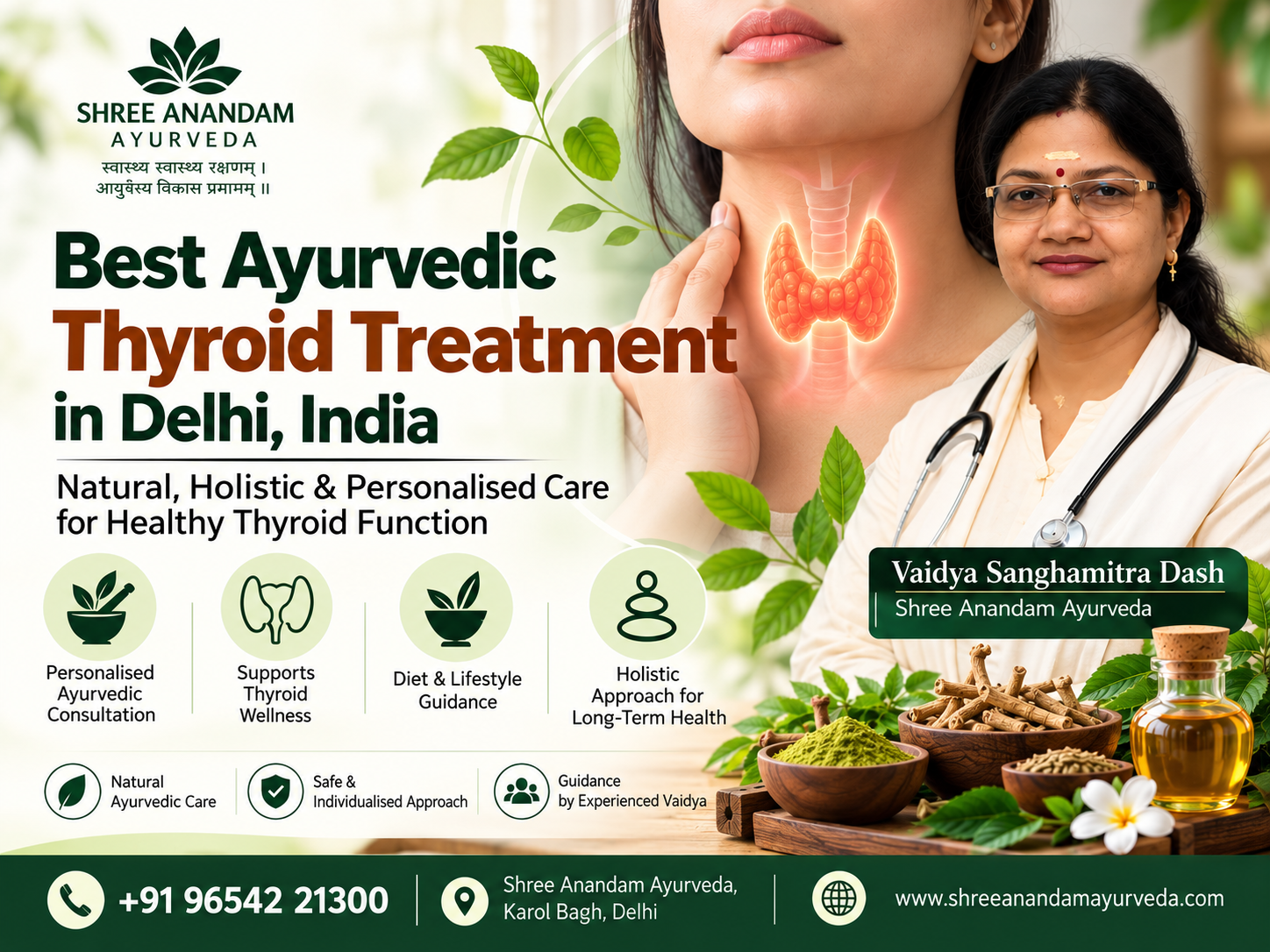
Are you looking for the best Ayurvedic thyroid treatment in Delhi? If you are experiencing tiredness, unexplained weight changes, hair fall, constipation, mood changes or irregular periods, thyroid health may be one of the factors worth investigating. Shree Anandam Ayurveda, Karol Bagh, Delhi, offers Ayurvedic consultation with Vaidya Sanghamitra Dash for people interested in understanding their health concerns through an individualised approach to diet, lifestyle and traditional Ayurvedic wellness. Thyroid disorders require proper medical diagnosis and monitoring, and Ayurvedic care should not replace prescribed thyroid medication or endocrinology treatment.
This guide explains hypothyroidism, hyperthyroidism, common symptoms, thyroid tests, the role and limitations of Ayurveda, lifestyle considerations and how to choose an appropriate thyroid-care practitioner in Delhi.
Quick Answer: Where can you explore Ayurvedic thyroid consultation in Delhi?
People searching for Ayurvedic thyroid treatment in Delhi can explore Shree Anandam Ayurveda in Karol Bagh for a consultation with Vaidya Sanghamitra Dash.
A consultation can be an opportunity to discuss your symptoms, medical history, diet, sleep, stress and general wellbeing, and to understand whether Ayurvedic lifestyle guidance may complement your existing healthcare plan.
Clinic: Shree Anandam Ayurveda
Practitioner: Vaidya Sanghamitra Dash
Location: Karol Bagh, New Delhi
Website: https://www.shreeanandamayurveda.com/
Contact: +91 96542 21300
Important: Do not stop, reduce or replace prescribed thyroid medication without discussing it with your treating doctor. Ayurvedic treatment has not been established as a substitute for levothyroxine in hypothyroidism.
What is a thyroid disorder?
The thyroid is a small, butterfly-shaped gland located at the front of the neck. It produces hormones that help regulate metabolism, energy use, body temperature, heart function and several other processes.
When the thyroid gland produces too little or too much hormone, it can affect different parts of the body.
The two commonly discussed thyroid conditions are:
- Hypothyroidism: The thyroid gland does not produce enough thyroid hormone.
- Hyperthyroidism: The thyroid gland produces more thyroid hormone than the body needs.
Other thyroid conditions include thyroid nodules, goitre, thyroiditis and thyroid-related autoimmune disorders. Each condition requires appropriate evaluation because symptoms and treatment needs can differ.
What are the common symptoms of thyroid problems?
Thyroid symptoms vary depending on the underlying condition. Some people have several symptoms, while others experience only mild changes.
Symptoms commonly associated with hypothyroidism
- Persistent tiredness and low energy
- Unexplained weight gain
- Feeling unusually cold
- Constipation
- Dry skin
- Hair thinning or hair fall
- Difficulty concentrating
- Low mood
- Muscle aches or weakness
- Heavy or irregular menstrual periods
Symptoms commonly associated with hyperthyroidism
- Unexplained weight loss
- Rapid or irregular heartbeat
- Excessive sweating
- Feeling unusually hot
- Trembling hands
- Anxiety or irritability
- Difficulty sleeping
- Frequent bowel movements
- Muscle weakness
- Changes in menstrual cycles
These symptoms are not exclusive to thyroid disease. Anaemia, nutritional deficiencies, diabetes, stress and other health conditions can produce similar symptoms. A proper medical assessment is important before starting treatment.
What causes thyroid problems?
There is no single cause of all thyroid disorders. Some common causes include:
1. Autoimmune thyroid conditions
In Hashimoto’s thyroiditis, the immune system attacks thyroid tissue and may gradually reduce hormone production. Graves’ disease is an autoimmune condition that can cause excessive thyroid hormone production.
2. Iodine imbalance
Iodine is needed to produce thyroid hormones. Both insufficient and excessive iodine intake can affect thyroid function.
3. Thyroid inflammation
Thyroiditis can temporarily affect hormone levels. Depending on the type, a person may experience a period of increased thyroid hormone followed by reduced production.
4. Thyroid surgery or medical treatment
People who have undergone thyroid surgery or certain treatments may need long-term thyroid hormone replacement.
5. Pregnancy and hormonal changes
Pregnancy and the period after childbirth can influence thyroid function. Women planning pregnancy or who are pregnant should receive appropriate medical monitoring.
6. Family history
Some thyroid conditions are more common among people with a family history of thyroid or autoimmune disorders.
Understanding the underlying cause is important because treatment for hypothyroidism is not the same as treatment for hyperthyroidism.
How is a thyroid problem diagnosed?
A thyroid disorder cannot be confirmed only through symptoms, pulse examination or weight changes. Blood tests and clinical evaluation are important.
Common investigations include:
| Test | What it helps assess |
|---|---|
| TSH | Thyroid-stimulating hormone level; commonly used to assess thyroid function |
| Free T4 | Amount of circulating free thyroxine |
| Free T3 | May be useful in selected cases, particularly when hyperthyroidism is suspected |
| Anti-TPO antibodies | Can help identify autoimmune thyroid disease |
| Thyroid ultrasound | Used when nodules, enlargement or structural changes need assessment |
Not everyone needs every test. The treating clinician decides which investigations are appropriate based on symptoms, examination and medical history.
If you already have thyroid reports, take your previous results and current prescriptions to your consultation. Comparing results over time can be more useful than looking at one test in isolation.
What is the role of Ayurveda in thyroid wellness?
Ayurveda is a traditional Indian system of healthcare that considers an individual’s constitution, digestion, food habits, sleep, daily routine and overall wellbeing.
An Ayurvedic consultation may explore:
- Dietary habits and meal timing
- Sleep quality and daily routine
- Physical activity
- Stress and emotional wellbeing
- Digestion and bowel habits
- General energy levels
- Existing health conditions and medicines
For people interested in Ayurveda, these discussions may provide a structured opportunity to review lifestyle habits and overall wellness.
However, it is important to distinguish traditional Ayurvedic concepts from established thyroid treatment. There is currently insufficient high-quality clinical evidence to establish Ayurvedic herbs or Panchakarma as a reliable replacement for standard thyroid hormone treatment.
For hypothyroidism, levothyroxine is the established hormone replacement treatment when prescribed. For hyperthyroidism, treatment may involve antithyroid medicines, radioactive iodine or surgery, depending on the cause and severity.
Can Ayurvedic treatment cure hypothyroidism permanently?
This is one of the most common questions asked by people searching for Ayurvedic thyroid treatment in Delhi.
The honest answer is that Ayurveda has not been proven to permanently cure hypothyroidism or reliably restore thyroid hormone production in people whose thyroid gland cannot produce enough hormone.
Some causes of thyroid dysfunction may be temporary, and treatment requirements can change over time. However, many people with permanent hypothyroidism need ongoing thyroid hormone replacement.
If you are taking levothyroxine, do not stop it because your symptoms improve or because you begin an Ayurvedic programme. Any decision to change the dose should be made by the prescribing doctor after reviewing thyroid blood tests and the underlying diagnosis.
Can I stop taking thyroid medicine after Ayurvedic treatment?
No one should promise that every thyroid patient can stop medicine permanently.
Whether thyroid medication is needed long-term depends on the cause of the condition, thyroid function, previous treatment and individual medical circumstances.
For example:
- People with permanent thyroid gland damage often need lifelong hormone replacement.
- Some cases of thyroiditis may improve over time.
- Certain mild or subclinical thyroid abnormalities may need monitoring rather than immediate medication, depending on the individual.
- People who have undergone thyroid removal generally require thyroid hormone replacement.
If you want to review whether your current medicine is still necessary, consult your endocrinologist or prescribing doctor. Medication changes require appropriate blood testing and follow-up.
How can diet and lifestyle support thyroid health?
A balanced diet and healthy routine are important parts of overall health. They cannot independently cure every thyroid disorder, but they may help support general wellbeing.
1. Follow a balanced diet
Include a variety of vegetables, fruits, whole grains, pulses, nuts and appropriate protein sources. Individual dietary needs may differ depending on age, medical history and nutritional status.
2. Avoid unnecessary iodine supplements
Iodine is essential, but excessive intake can worsen some thyroid conditions. Avoid high-dose iodine supplements or kelp products unless a qualified clinician recommends them.
3. Check nutritional deficiencies when indicated
Iron, vitamin B12 and vitamin D deficiencies can contribute to symptoms such as tiredness or weakness. Testing and supplementation should be based on individual requirements rather than assumptions.
4. Maintain regular physical activity
Walking, strength exercises and other suitable physical activities can support cardiovascular health, muscle strength, sleep and weight management.
5. Maintain consistent sleep
A regular sleep schedule and adequate rest can support general metabolic and mental wellbeing.
6. Manage stress
Breathing exercises, meditation, yoga and relaxation routines may help manage stress. They should be treated as supportive wellness practices rather than thyroid hormone treatments.
7. Take prescribed thyroid medication correctly
If you take levothyroxine, follow your doctor’s instructions about timing. Food, calcium, iron and certain other medicines can interfere with absorption. Ask your doctor or pharmacist how to space these products appropriately.
Which Ayurvedic herbs are used in traditional thyroid wellness?
Several herbs appear in traditional Ayurvedic discussions of metabolism and general wellness. However, their use for thyroid disorders should not be interpreted as proven treatment.
Some important safety considerations include:
- Ashwagandha: It may affect thyroid hormone levels and interact with thyroid medication. It has also been associated with liver injury in some cases. It should not be self-prescribed for thyroid disease.
- Guggul: It may interact with medicines and may not be suitable for everyone.
- Kanchanar-based formulations: These are used in traditional Ayurvedic practice, but robust clinical evidence for treating thyroid disorders is limited.
- Iodine-containing preparations: Excess iodine can worsen certain thyroid conditions.
Never combine herbal products with thyroid medication without discussing the ingredients and possible interactions with your doctor. A product being described as natural does not automatically make it safe.
Ayurvedic thyroid consultation at Shree Anandam Ayurveda, Delhi
People searching for an Ayurvedic doctor for thyroid problems in Delhi may wish to explore a consultation at Shree Anandam Ayurveda in Karol Bagh.
Vaidya Sanghamitra Dash is associated with Ayurvedic consultations at the clinic. Patients can discuss their health concerns, medical history, existing thyroid reports, diet, lifestyle and general wellness goals.
What can you discuss during a consultation?
1. Your thyroid history
Share when the condition was diagnosed, previous reports, symptoms and any history of thyroid surgery, pregnancy-related thyroid problems or autoimmune disease.
2. Current medicines
Bring the names and doses of your medicines, including levothyroxine, antithyroid medicines, supplements and herbal products.
3. Diet and daily routine
Discuss your food habits, sleep, physical activity, work routine and other factors that may influence your general health.
4. Individualised wellness guidance
Ask whether any suggested Ayurvedic practices or lifestyle recommendations are appropriate for your specific diagnosis and current treatment.
5. Safety and follow-up
Discuss possible interactions, contraindications, monitoring requirements and when referral to an endocrinologist is necessary.
A responsible consultation should explain both the potential role and limitations of Ayurvedic care. No treatment should be presented as a guaranteed cure or a substitute for necessary thyroid medication.
Why choose a qualified practitioner for thyroid consultation?
When choosing an Ayurvedic practitioner in Delhi, patients should consider more than online advertisements.
Look for:
- Recognised Ayurvedic qualifications.
- Applicable professional registration.
- Experience relevant to your health concern.
- A proper review of previous reports and medicines.
- Clear communication about treatment limitations.
- Transparent fees and follow-up arrangements.
- Willingness to coordinate with conventional medical professionals.
At Shree Anandam Ayurveda, patients can enquire about consultation availability, practitioner qualifications and the process for discussing thyroid-related concerns before booking.
Ayurvedic thyroid treatment in Delhi: What should you compare before booking?
| Factor | What patients should check |
|---|---|
| Practitioner qualifications | Recognised education and applicable registration |
| Consultation | Whether medical history and current reports are reviewed |
| Treatment approach | Whether recommendations are individualised and explained |
| Medicine safety | Whether interactions with existing medicines are considered |
| Thyroid monitoring | Whether appropriate blood tests and medical follow-up are encouraged |
| Cost | Clear consultation and treatment charges |
| Referral | Whether specialist evaluation is recommended when necessary |
The most appropriate clinic is one that offers transparent advice, respects medical safety and does not promise unrealistic outcomes.
When should you consult an endocrinologist?
Seek medical evaluation if you experience persistent thyroid-related symptoms, abnormal thyroid tests, neck swelling, a racing heartbeat or unexplained changes in weight.
Specialist assessment is particularly important if:
- You are pregnant or planning pregnancy.
- You have a history of thyroid surgery.
- You have a thyroid nodule or swelling in the neck.
- Your thyroid levels remain abnormal despite treatment.
- You experience severe palpitations, chest pain or breathlessness.
- You have significant symptoms after changing or stopping medication.
Severe chest pain, fainting, serious breathing difficulty or a very rapid or irregular heartbeat requires urgent medical assessment.
Frequently asked questions about Ayurvedic thyroid treatment in Delhi
1. Which is the best Ayurvedic thyroid treatment in Delhi?
The right option depends on the type and cause of thyroid disorder, the practitioner’s qualifications, the patient’s medical history and the treatment required. Shree Anandam Ayurveda in Karol Bagh offers Ayurvedic consultation with Vaidya Sanghamitra Dash for people interested in discussing their health and wellness concerns.
2. Can Ayurveda cure hypothyroidism permanently?
There is not enough reliable clinical evidence to establish Ayurveda as a permanent cure for hypothyroidism. Many people with permanent hypothyroidism require ongoing levothyroxine. Do not discontinue prescribed medication without medical supervision.
3. Can I take Ayurvedic medicine with Thyroxine 75?
Do not start an Ayurvedic medicine or herbal supplement alongside Thyroxine 75 without checking its ingredients and discussing it with your prescribing doctor. Some herbs and supplements can affect thyroid function, medication absorption or safety.
4. Does Ayurveda help with thyroid-related weight gain?
A balanced diet, regular physical activity and appropriate management of thyroid hormone levels can support weight management. Ayurvedic lifestyle guidance may be discussed as a complementary wellness approach, but it should not replace thyroid diagnosis or prescribed treatment.
5. What are the common symptoms of hypothyroidism?
Common symptoms include fatigue, weight gain, constipation, dry skin, hair thinning, feeling cold, low mood and difficulty concentrating. Blood tests are needed to assess whether these symptoms are related to hypothyroidism.
6. Which tests are required before thyroid consultation?
TSH and Free T4 are commonly used to assess thyroid function. Depending on the clinical situation, a doctor may recommend Free T3, thyroid antibody testing or an ultrasound. Bring previous reports to your consultation.
7. Is Ayurvedic treatment suitable for hyperthyroidism?
Hyperthyroidism requires proper medical evaluation because excessive thyroid hormone can affect the heart and other organs. Do not rely on Ayurvedic treatment alone or delay appropriate medical treatment. Discuss any complementary practices with your endocrinologist.
8. Can thyroid patients practise yoga?
Many people with thyroid disorders can practise suitable physical activity and yoga. The choice of exercises should depend on general health, symptoms and medical advice. Yoga should not be considered a substitute for thyroid medication.
9. Where can I consult an Ayurvedic practitioner for thyroid wellness in Delhi?
You can enquire at Shree Anandam Ayurveda, Karol Bagh, Delhi, for a consultation with Vaidya Sanghamitra Dash. Confirm current appointment availability, practitioner details and consultation charges before visiting.
10. Can I stop thyroid medicine if my TSH becomes normal?
No. A normal TSH while taking levothyroxine often means the medicine is working. Whether treatment can be changed depends on the original diagnosis and clinical assessment. Never stop the medicine on your own.
Book an Ayurvedic consultation at Shree Anandam Ayurveda, Delhi
Understanding your thyroid condition is the first step towards making informed health decisions.
If you are exploring Ayurvedic wellness guidance alongside your existing medical care, contact Shree Anandam Ayurveda to enquire about a consultation with Vaidya Sanghamitra Dash.
Shree Anandam Ayurveda
Location: Karol Bagh, New Delhi
Phone: +91 96542 21300
Website: https://www.shreeanandamayurveda.com/
Discuss your symptoms, thyroid reports, medicines and wellness goals with a qualified healthcare professional before making any treatment changes.
Medical disclaimer: This article is for educational purposes only and does not provide a diagnosis or individual treatment recommendation. Thyroid disorders require appropriate medical assessment and monitoring. Do not stop or change prescribed medicines without guidance from your treating doctor.