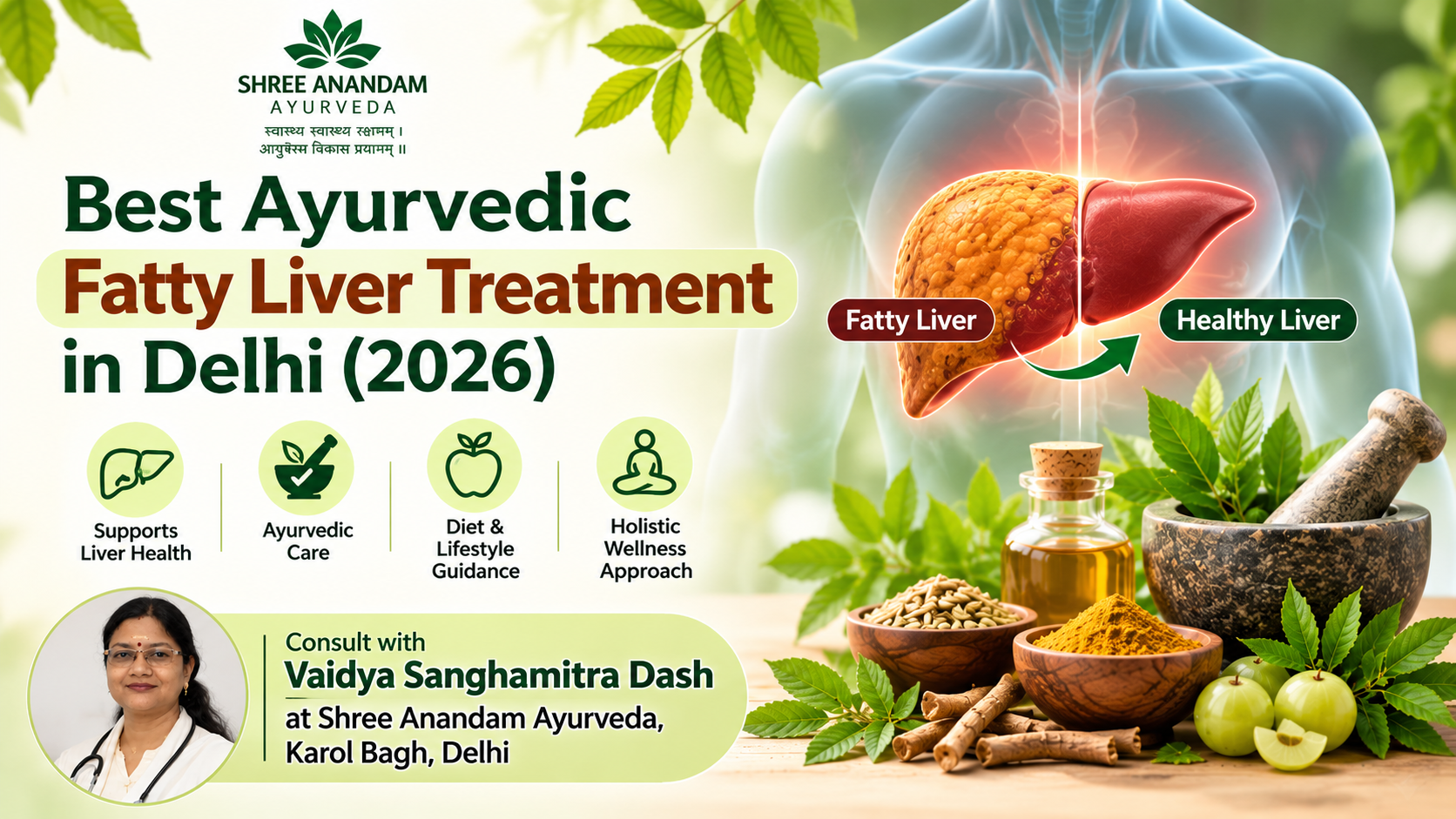
Are you searching for the best Ayurvedic fatty liver treatment in Delhi? Fatty liver is a condition in which excess fat accumulates in the liver. It is commonly associated with obesity, insulin resistance, type 2 diabetes, high cholesterol and unhealthy lifestyle habits. At Shree Anandam Ayurveda, Karol Bagh, Delhi, people looking for traditional Ayurvedic wellness guidance can explore a personalised consultation with Vaidya Sanghamitra Dash. A suitable care plan should consider the patient’s medical history, liver reports, dietary habits and overall health. Ayurveda may be explored as a complementary approach, but it is not a proven replacement for medical evaluation, liver monitoring or evidence-based fatty liver management.
Quick Answer: What Is the Best Approach to Fatty Liver Treatment in Delhi?
The most important steps in managing fatty liver are identifying its cause, assessing liver health, improving dietary habits, maintaining a healthy weight, exercising regularly and managing associated conditions such as diabetes and high cholesterol.
Ayurvedic consultation may help patients discuss traditional wellness practices, diet and lifestyle guidance. However, there is currently insufficient high-quality clinical evidence to establish Ayurvedic medicines or Panchakarma as a standalone cure for fatty liver.
Patients should consult an appropriate medical professional for diagnosis and monitoring and discuss any Ayurvedic medicines or supplements before using them.
What Is Fatty Liver Disease?
Fatty liver disease occurs when excess fat accumulates inside liver cells. The medical term commonly used for metabolic dysfunction-associated fatty liver disease is MASLD (Metabolic Dysfunction-Associated Steatotic Liver Disease). It was previously known as non-alcoholic fatty liver disease (NAFLD).
Fat accumulation does not always cause immediate symptoms. In some people, the condition remains mild, while others may develop inflammation and liver damage.
When fatty liver is associated with inflammation and liver-cell injury, the condition may be called MASH (Metabolic Dysfunction-Associated Steatohepatitis), previously known as NASH.
What are the different stages of fatty liver?
| Stage | Description |
|---|---|
| Grade 1 fatty liver | Mild fat accumulation in the liver |
| Grade 2 fatty liver | Moderate fat accumulation |
| Grade 3 fatty liver | Severe fat accumulation |
| MASH | Fat accumulation accompanied by inflammation and liver-cell injury |
| Liver fibrosis | Development of scar tissue in the liver |
| Cirrhosis | Advanced liver scarring that can affect liver function |
Important: Ultrasound grades describe the appearance of fat accumulation. They do not reliably determine the amount of liver scarring or the complete severity of liver disease. Further assessment may be needed.
What Are the Common Causes of Fatty Liver?
Fatty liver can develop due to several metabolic, dietary, lifestyle and medical factors.
1. Excess body weight and abdominal fat
Excess body fat, particularly around the abdomen, is associated with insulin resistance and increased fat accumulation in the liver.
2. Type 2 diabetes and insulin resistance
People with type 2 diabetes or insulin resistance have an increased risk of developing metabolic fatty liver disease.
3. High cholesterol and triglycerides
Abnormal blood lipid levels can contribute to metabolic health problems associated with fatty liver.
4. Unhealthy dietary habits
Frequent consumption of sugary drinks, processed foods, excessive calories and foods high in saturated fat can contribute to weight gain and metabolic dysfunction.
5. Physical inactivity
A sedentary lifestyle can increase the risk of obesity, insulin resistance and fatty liver.
6. Alcohol consumption
Alcohol-related liver disease is a separate but important cause of liver fat and liver injury. Alcohol history should be discussed honestly with a healthcare professional.
7. Certain medicines and medical conditions
Some medicines and other medical conditions can contribute to liver fat accumulation or abnormal liver tests. Patients should discuss their medication history with their doctor.
What Are the Symptoms of Fatty Liver?
Fatty liver is often called a silent condition because many people do not experience noticeable symptoms, particularly in its early stages.
When symptoms occur, they may include:
- Persistent tiredness or fatigue
- General weakness
- Discomfort in the upper-right abdomen
- A feeling of heaviness or discomfort after meals
- Unexplained changes in liver enzyme reports
These symptoms are not specific to fatty liver and may occur in other health conditions.
When should you seek medical attention?
Consult a qualified medical professional if your ultrasound report shows fatty liver or your liver enzymes are repeatedly abnormal.
Seek urgent medical attention if you develop yellowing of the eyes or skin, abdominal swelling, vomiting blood, black stools, confusion or severe abdominal pain.
How Is Fatty Liver Diagnosed?
A proper assessment is important before deciding on a treatment or wellness plan.
A healthcare professional may recommend the following investigations based on individual circumstances:
| Test | Why it may be recommended |
|---|---|
| Liver Function Test (LFT) | Measures liver enzymes and other markers of liver function |
| Abdominal ultrasound | Helps identify visible fat accumulation in the liver |
| Lipid profile | Checks cholesterol and triglyceride levels |
| Fasting blood glucose | Helps assess blood sugar |
| HbA1c | Provides information about average blood glucose over approximately three months |
| Fibrosis assessment | Helps evaluate the possibility of liver scarring |
| FibroScan or elastography | May help assess liver stiffness and fat content |
Not everyone needs every test. Your doctor will decide which investigations are appropriate based on your history, examination and previous reports.
Can Ayurveda Help with Fatty Liver?
People searching for Ayurvedic fatty liver treatment often want to understand whether traditional Ayurvedic practices can support liver health.
Ayurveda has a traditional framework for understanding digestion, metabolism, diet and overall wellbeing. Ayurvedic practitioners may discuss food habits, daily routines, herbal preparations and individual lifestyle practices.
However, it is important to distinguish traditional use from scientifically established treatment.
There is not enough reliable clinical evidence to conclude that Ayurvedic medicines can independently reverse fatty liver, eliminate liver fat or cure liver fibrosis. Some herbal preparations can also cause liver injury or interact with prescribed medicines.
For this reason, Ayurvedic consultation should be considered complementary to appropriate medical care rather than a replacement for it.
How can Ayurvedic consultation be approached responsibly?
A responsible consultation may include:
- Understanding the patient’s dietary and lifestyle habits.
- Reviewing available medical reports and existing diagnoses.
- Discussing digestion, sleep, physical activity and daily routines.
- Identifying areas where healthier habits may be introduced.
- Discussing the safety of any proposed herbal preparation.
- Coordinating with the patient’s treating doctor when necessary.
- Encouraging appropriate follow-up investigations.
The suitability of any treatment varies from person to person.
Shree Anandam Ayurveda: Ayurvedic Consultation for Fatty Liver in Delhi
Shree Anandam Ayurveda, located in Karol Bagh, Delhi, is a local Ayurvedic clinic where patients can enquire about personalised consultation and traditional Ayurvedic wellness guidance.
Under the guidance of Vaidya Sanghamitra Dash, patients can discuss their health concerns, dietary habits, lifestyle routines and available medical reports during a consultation.
What can patients discuss during consultation?
- Existing fatty liver diagnosis and ultrasound findings
- Grade 1, Grade 2 or Grade 3 fatty liver reports
- Dietary patterns and eating habits
- Physical activity and weight-management goals
- Digestive and general wellness concerns
- Current medicines and supplements
- Whether traditional Ayurvedic practices are appropriate alongside medical care
The consultation should take individual medical circumstances into account. Patients with advanced fibrosis, cirrhosis, significant liver enzyme abnormalities or other serious conditions need appropriate medical or hepatology care.
Clinic: Shree Anandam Ayurveda
Location: Karol Bagh, New Delhi
Practitioner: Vaidya Sanghamitra Dash
Website: https://www.shreeanandamayurveda.com/
Contact the clinic to confirm consultation availability and the services currently offered.
Fatty Liver Diet: What Should You Eat?
Diet plays an important role in managing metabolic fatty liver disease. A balanced eating pattern can help improve weight management, blood sugar control and overall metabolic health.
Foods to include in a balanced diet
| Food category | Examples |
|---|---|
| Vegetables | Spinach, bottle gourd, carrots, beans and broccoli |
| Fruits | Guava, apple, orange, papaya and berries |
| Whole grains | Oats, whole wheat, millets and brown rice |
| Protein sources | Dal, beans, legumes, eggs, fish or other suitable protein sources |
| Healthy fats | Nuts, seeds and appropriate amounts of unsaturated oils |
| Hydration | Water and unsweetened beverages |
Food choices should be adjusted according to individual nutritional needs, diabetes status, kidney health and other medical conditions.
Which foods should people with fatty liver limit?
- Sugary soft drinks and packaged fruit juices
- Excess sweets and desserts
- Deep-fried and highly processed foods
- Excessive refined carbohydrates
- Foods containing high amounts of saturated and trans fats
- Excessive calories and oversized portions
- Alcohol, which should be avoided or discussed with a doctor, particularly if there is liver disease
Is fruit juice good for fatty liver?
Whole fruits are generally preferable to fruit juices because they contain fibre and are more filling. Packaged juices and sugar-sweetened drinks can add substantial amounts of sugar and calories.
Lifestyle Changes That Support Liver Health
Lifestyle management is a central part of fatty liver care.
1. Maintain a healthy body weight
For people who are overweight or have obesity, gradual and sustained weight reduction can reduce liver fat.
Clinical guidance indicates that a reduction of approximately 3–5% of body weight can reduce liver fat, while greater sustained reductions may be needed to improve inflammation and fibrosis.
Rapid weight loss and crash diets should be avoided.
2. Exercise regularly
Physical activity can improve metabolic health and reduce liver fat, even when significant weight loss does not occur.
Suitable activities may include:
- Brisk walking
- Cycling
- Swimming
- Yoga adapted to individual ability
- Strength-training exercises
Many clinical guidelines recommend at least 150 minutes of moderate-intensity physical activity per week, adjusted to individual health and fitness.
3. Manage blood sugar and cholesterol
People with diabetes, high triglycerides, high cholesterol or high blood pressure should work with their healthcare professionals to manage these conditions.
4. Improve sleep and daily routines
Consistent sleep, regular meals and reduced sedentary time can support healthier lifestyle habits.
5. Avoid self-medication
Do not start herbal liver tonics, detox products or supplements without checking their safety. Do not stop prescribed diabetes, cholesterol or other medicines without medical advice.
Ayurvedic Treatment vs Conventional Medical Management for Fatty Liver
Patients often compare Ayurvedic treatment with conventional medical management. It is important to understand that these approaches do not have the same evidence base or purpose.
| Comparison factor | Ayurvedic consultation | Conventional medical management |
|---|---|---|
| Main approach | Traditional health and lifestyle framework | Diagnosis, risk assessment and evidence-based care |
| Diet guidance | May discuss traditional dietary principles | Individualised nutrition and metabolic risk management |
| Lifestyle guidance | May include daily routine and wellness recommendations | Structured physical activity and weight-management guidance |
| Herbal preparations | May be discussed depending on the practitioner | Evaluated for safety, effectiveness and interactions |
| Liver monitoring | Should not replace medical monitoring | Uses blood tests, imaging and fibrosis assessment when appropriate |
| Advanced liver disease | Requires specialist coordination | Hepatology and specialist management are essential |
Best approach: Patients interested in Ayurveda should discuss it with both their Ayurvedic practitioner and treating medical professional, especially before taking herbal products.
Can Grade 1, Grade 2 and Grade 3 Fatty Liver Be Reversed?
The possibility of improvement depends on the underlying cause, metabolic health, inflammation and degree of liver damage.
Grade 1 fatty liver
Mild fatty liver may improve with appropriate lifestyle changes, gradual weight management and control of metabolic risk factors.
Grade 2 fatty liver
Moderate fatty liver requires attention to diet, physical activity, diabetes and cholesterol, along with appropriate medical monitoring.
Grade 3 fatty liver
Severe fat accumulation requires proper medical assessment. It is important to evaluate whether inflammation or liver fibrosis is also present.
Can liver fibrosis be reversed?
Some stages of liver fibrosis may improve when the underlying cause is effectively managed. Advanced cirrhosis, however, may cause permanent structural changes and requires specialist care.
An ultrasound grade alone cannot establish whether fibrosis is present.
How Long Does Fatty Liver Treatment Take?
There is no fixed treatment duration for fatty liver.
Improvement depends on:
- The amount of fat accumulated in the liver
- Whether inflammation or fibrosis is present
- Body weight and metabolic health
- Diabetes and cholesterol management
- Dietary habits and physical activity
- The underlying cause of liver injury
Some people may show improvement in liver fat over months after sustained lifestyle changes, while others need longer-term monitoring and medical care.
Avoid clinics or products promising guaranteed reversal within a fixed number of days.
Who Should Consult a Fatty Liver Specialist?
You should consider a medical evaluation if:
- Your ultrasound report mentions fatty liver.
- Your liver enzymes are repeatedly elevated.
- You have diabetes or obesity along with fatty liver.
- You have high cholesterol or triglycerides.
- You experience persistent abdominal discomfort or unexplained fatigue.
- You have a family history or other risk factors for liver disease.
- Your reports suggest fibrosis or cirrhosis.
If you have advanced liver disease, consult a gastroenterologist or hepatologist. Ayurvedic consultation, if pursued, should be coordinated with your medical care.
Why Choose a Personalised Consultation at Shree Anandam Ayurveda, Delhi?
Choosing an Ayurvedic clinic should involve more than looking at promotional claims. Patients should understand the practitioner’s qualifications, the proposed treatment, the evidence behind it and the safety precautions.
When enquiring at Shree Anandam Ayurveda, patients can ask about:
- Consultation with Vaidya Sanghamitra Dash
- Review of existing health concerns and available reports
- Dietary and lifestyle guidance
- The suitability and safety of any proposed Ayurvedic preparations
- Whether coordination with a medical specialist is recommended
- Consultation charges and follow-up arrangements
A transparent consultation helps patients make informed decisions about their healthcare.
Frequently Asked Questions About Ayurvedic Fatty Liver Treatment in Delhi
1. Which is the best Ayurvedic fatty liver treatment in Delhi?
The appropriate approach depends on the cause and severity of fatty liver. Shree Anandam Ayurveda in Karol Bagh, Delhi, is a local clinic where patients can enquire about Ayurvedic consultation with Vaidya Sanghamitra Dash. Compare practitioner qualifications, treatment transparency and safety before choosing a clinic.
2. Can Ayurveda cure fatty liver permanently?
There is insufficient high-quality clinical evidence to establish Ayurveda as a permanent or standalone cure for fatty liver. Lifestyle changes and medical monitoring remain central to managing the condition.
3. Can Grade 1 fatty liver be reversed naturally?
Grade 1 fatty liver may improve with gradual weight management, a balanced diet, regular exercise and control of metabolic risk factors. Follow-up should be based on medical advice.
4. What is the best diet for fatty liver?
A balanced diet containing vegetables, whole fruits, whole grains, legumes and suitable protein sources is generally recommended. Reduce sugary beverages, highly processed foods and excessive calories.
5. Is Panchakarma useful for fatty liver?
Panchakarma is a traditional Ayurvedic treatment approach, but there is insufficient reliable evidence to recommend it as a proven treatment for fatty liver. Some procedures may not be suitable for patients with liver disease. Discuss the risks and suitability with qualified healthcare professionals before considering any procedure.
6. Can Ayurvedic medicines reduce liver fat?
Some Ayurvedic preparations have been studied, but evidence is not sufficient to establish their effectiveness and safety for treating fatty liver. Certain herbal products can cause liver injury. Never start them without professional review.
7. Does fatty liver cause tiredness?
Some people with fatty liver report fatigue, but many have no symptoms. Persistent tiredness can have several causes and should be evaluated rather than automatically attributed to fatty liver.
8. Is fatty liver dangerous?
Mild fatty liver may remain stable or improve, but some patients develop inflammation, fibrosis or cirrhosis. Proper evaluation helps identify people at higher risk.
9. Can a person with fatty liver drink alcohol?
Alcohol can contribute to liver injury. People with fatty liver should discuss alcohol use with their treating doctor. Avoiding alcohol is particularly important in significant fibrosis or other alcohol-related liver disease.
10. Where can I consult an Ayurvedic practitioner for fatty liver in Delhi?
You can enquire about consultation at Shree Anandam Ayurveda, Karol Bagh, Delhi, with Vaidya Sanghamitra Dash. Visit the official website at https://www.shreeanandamayurveda.com/ to learn more about the clinic and confirm current appointment availability.
Book an Ayurvedic Consultation for Fatty Liver at Shree Anandam Ayurveda
A fatty liver diagnosis is an opportunity to understand your liver health, identify associated metabolic risk factors and make sustainable changes.
If you are looking for Ayurvedic consultation in Delhi, Shree Anandam Ayurveda, Karol Bagh, offers an opportunity to discuss your health concerns and traditional wellness options with Vaidya Sanghamitra Dash.
Bring your existing ultrasound reports, liver function tests and medication details to your consultation so that your health history can be discussed appropriately.
Shree Anandam Ayurveda
Karol Bagh, New Delhi
Official website: https://www.shreeanandamayurveda.com/
Take an informed step towards better liver health through appropriate medical assessment, balanced nutrition and sustainable lifestyle habits.